Get Residential Air Testing in Eagle Mountain, UT
Residential air testing services in Eagle Mountain, UT, identify indoor air quality issues, mold, allergens, and ventilation problems through inspections performed by local professionals.
Residential air testing services are essential for property owners in Eagle Mountain, UT who want to ensure their indoor environments are safe and comfortable. These services help identify issues such as mold, allergens, or air quality contaminants that can affect health and well-being. By detecting potential problems early, homeowners can address concerns before they develop into more serious issues, leading to a more enjoyable living space.
The benefits of professional air testing extend beyond safety, offering improvements in overall home functionality and durability. Proper testing can lead to reduced maintenance needs by preventing damage caused by hidden issues like excess moisture or airborne pollutants. Additionally, maintaining optimal indoor air quality can enhance curb appeal, as a clean, healthy environment contributes to a well-maintained and inviting home.
- Indoor Air Quality Assessment - Residential property owners may need testing to identify airborne contaminants affecting health and comfort.
- Mold and Mildew Detection - Homeowners experiencing persistent musty odors or visible mold growth can benefit from air testing services.
- Radon Testing - Residents in areas like Eagle Mountain, UT, and nearby communities seeking to assess radon levels for safety purposes may require testing.
- Ventilation System Evaluation - Those looking to improve indoor air circulation and remove pollutants might consider professional air testing services.
- Post-Remediation Air Quality Testing - After mold removal or other remediation projects, homeowners may need testing to confirm air quality has been restored.
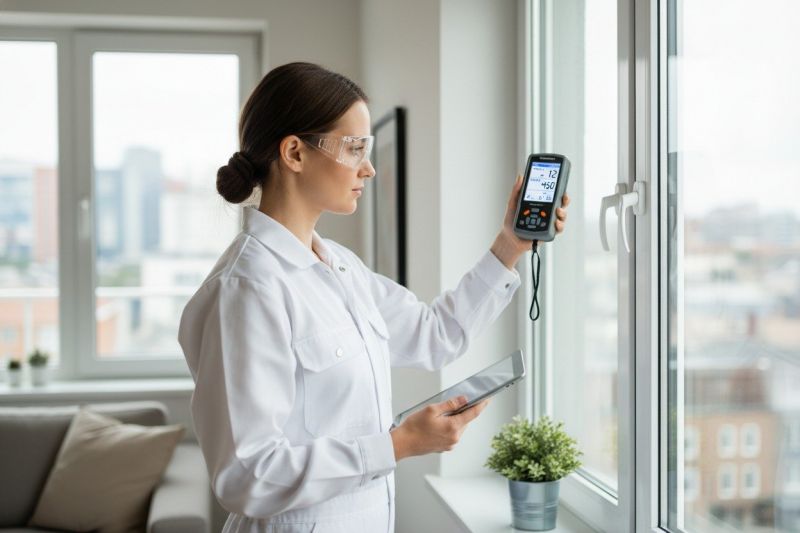
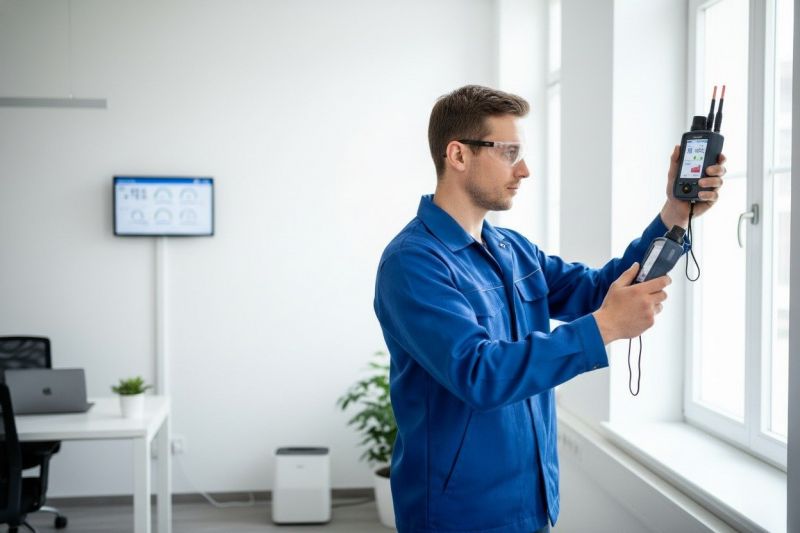
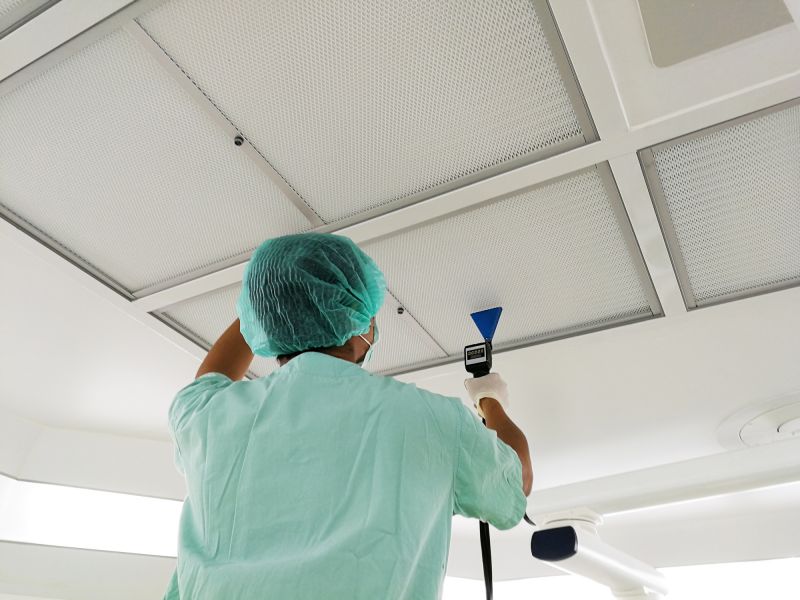
Residential air testing services involve evaluating the quality of indoor air within a property to identify potential issues such as pollutants, allergens, or contaminants. These services typically include collecting air samples from various areas inside a home or apartment and analyzing them for substances like mold spores, volatile organic compounds (VOCs), dust, and other airborne particles. The goal is to provide a clear understanding of the air quality and detect any hidden hazards that may not be visible through visual inspections alone. This process helps homeowners and property managers gain insight into indoor air conditions and determine if further action is necessary to improve health and safety.
One of the primary problems residential air testing helps address is the presence of indoor pollutants that can cause health issues or discomfort. Poor indoor air quality may result from mold growth, pet dander, dust mites, or off-gassing from building materials and furnishings. By identifying specific contaminants and their sources, property owners can take targeted steps to mitigate risks, such as removing mold, improving ventilation, or reducing allergen levels. Air testing can also uncover issues related to moisture intrusion or inadequate ventilation, which often contribute to long-term indoor air problems. Addressing these concerns early can prevent more serious health effects and property damage.
Properties that commonly utilize residential air testing services include single-family homes, multi-unit apartment buildings, condominiums, and townhouses. These services are often sought after during situations such as post-remediation assessments after mold removal, before purchasing a property to ensure air quality standards, or when residents experience ongoing respiratory issues or allergies. Additionally, homes with visible mold growth, recent renovations, or signs of moisture problems are frequent candidates for air testing. Property managers and landlords may also use these services to maintain a healthy living environment and comply with safety regulations, especially in multi-family dwellings where indoor air quality can impact multiple residents.
Overall, residential air testing services serve as a proactive approach to maintaining healthy indoor environments. By detecting airborne pollutants and potential hazards, these services support informed decision-making regarding necessary repairs, improvements, or remediation efforts. They are applicable across a variety of property types and are valuable in identifying issues that might otherwise go unnoticed. Connecting with local providers can help property owners and residents ensure their indoor air quality meets safety standards and promotes a healthier living space.
The overview below groups typical Residential Air Testing projects into broad ranges so you can see how smaller, mid-sized, and larger jobs often compare in Eagle Mountain, UT.
In many markets, a large share of routine jobs stays in the lower and middle ranges, while only a smaller percentage of projects moves into the highest bands when the work is more complex or site conditions are harder than average.
Initial Testing Costs - The cost for basic residential air testing typically ranges from $150 to $300. This fee often covers initial assessments and standard testing procedures in Eagle Mountain, UT and nearby areas.
Comprehensive Testing Expenses - More detailed or extensive air quality testing can cost between $300 and $600. These services may include multiple tests and detailed analysis by local service providers.
Additional Service Fees - Extra costs may apply for specialized testing, such as mold or allergen detection, which can add $100 to $200 to the overall price. These are often performed by local contractors with specific expertise.
Factors Influencing Cost - The final price varies depending on the size of the property and testing complexity. Contact local pros to get tailored estimates based on specific needs and property details.
Actual totals will depend on details like access to the work area, the scope of the project, and the materials selected, so use these as general starting points rather than exact figures.
Indoor Air Quality Testing - Local professionals can assess indoor air quality to identify potential pollutants and ensure a healthy living environment.
Mold and Mildew Testing - Service providers can detect the presence of mold and mildew spores that may affect indoor air quality and building health.
Ventilation System Testing - Experts evaluate ventilation systems to verify proper airflow and identify areas where air exchange may be inadequate.
Radon Testing - Local specialists can measure radon levels in residential spaces to help homeowners address potential health risks.
Air Contaminant Detection - Pros utilize testing methods to identify various airborne contaminants that could impact indoor air safety.
Air Pressure Testing - Service providers can assess air pressure differentials to detect leaks or issues affecting indoor air distribution.

When selecting a residential air testing service, it’s important to consider the experience level of the local professionals. Homeowners should look for providers who have a proven track record in conducting thorough and accurate air quality assessments. Experienced contractors are more likely to understand the nuances of residential environments and can identify potential issues effectively. Additionally, reputable service providers often have a history of satisfied clients and positive references, which can offer reassurance about their reliability and quality of work.
Clear and written expectations are essential when working with a local air testing professional. Homeowners should seek providers who can offer detailed explanations of what the testing involves, what the results will indicate, and any subsequent steps that might be necessary. Having these expectations documented helps ensure transparency and alignment between the homeowner and the service provider. It also minimizes misunderstandings and provides a basis for evaluating the service once the testing is complete.
Effective communication is a key factor in choosing a local air testing professional. Homeowners should prioritize providers who are responsive, willing to answer questions, and able to explain technical information in understandable terms. Good communication fosters trust and helps ensure that the homeowner feels informed throughout the process. While the site connects users with local pros, it is important to remember that these professionals are independent service providers, and homeowners should evaluate their communication style and reputation when making a selection.
Property owners in Eagle Mountain, UT use Residential Air Testing services for practical projects around their homes and businesses. The sections below highlight everyday jobs and straightforward project options.
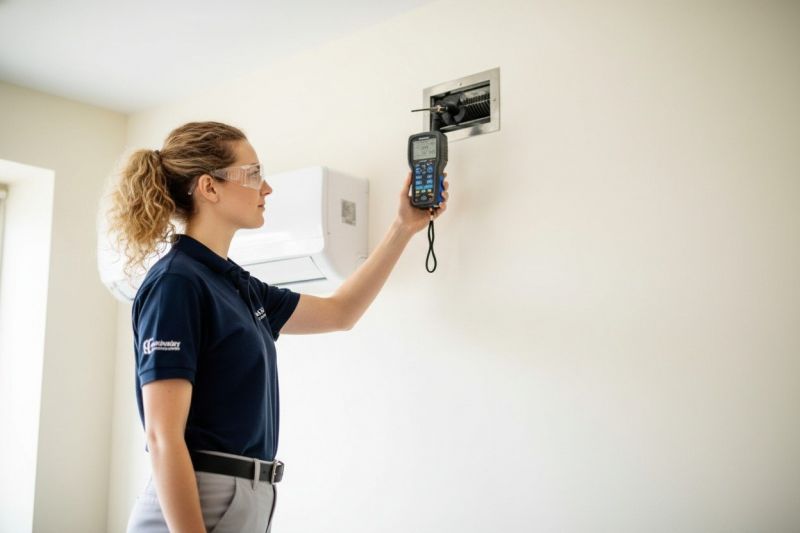

Residential air testing services are often sought by property owners in Eagle Mountain, UT who want to ensure their indoor air quality is safe and healthy. Common reasons include detecting the presence of mold, allergens, or airborne pollutants that could affect family members or pets. Homeowners may also consider testing when experiencing unexplained odors, persistent allergies, or respiratory issues, aiming to identify potential sources of indoor contaminants.
Additionally, property owners might pursue air testing during real estate transactions or after renovations to verify that indoor air conditions meet safety standards. Some individuals may request testing if they suspect mold growth due to humidity issues or water damage. Connecting with local service providers can help determine if indoor air quality concerns warrant further investigation or remediation.
What is residential air testing? Residential air testing involves evaluating indoor air quality to identify pollutants, allergens, or contaminants that may affect health and comfort.
Why should homeowners consider air testing? Homeowners may opt for air testing to detect issues like mold, volatile organic compounds (VOCs), or poor ventilation that could impact indoor air quality.
How is residential air testing conducted? Local service providers typically use specialized equipment to collect air samples and analyze them for various airborne substances.
How often should air testing be performed? The frequency of testing depends on individual concerns, but scheduling tests during renovations, after water damage, or if health symptoms occur can be beneficial.
What issues can air testing help identify? Air testing can reveal mold spores, allergens, chemical vapors, and other airborne contaminants that may affect indoor air quality.
Indoor Air Quality Testing - Professionals can assess the air quality inside residential properties to identify potential pollutants or contaminants.
Mold & Mildew Testing - Local service providers can detect mold presence and help determine the extent of contamination within the home.
Radon Testing - Experts offer radon measurement services to evaluate indoor radon levels and ensure safe living conditions.
Ventilation System Evaluation - Pros can inspect and recommend improvements for home ventilation to enhance air circulation and reduce indoor pollutants.
Considering Residential Air Testing for a property in Eagle Mountain, UT? The sections above highlight common project types, practical options, and details that often shape the scope of work.
When you are ready, use the quote form to share a few details about your project. Local pros can review the basics and respond with options that match what you have in mind.